Présentation de l'Abbaye du Mont-des-Cats
Fromage des Flandres françaises, l'Abbaye du Mont-des-Cats est intimement lié au monastère situé près de Godewaersvelde. Ce sont en effet des moines trappistes, originaires de l'abbaye de Port du Salut dans la Mayenne qui le développèrent en 1880. L'Abbaye du Mont-des-Cats appartient donc à la famille des fromages dits "Trappistes". Le fromage eut dès sa naissance un franc succès, se distinguant au Concours Général agricole de Paris en 1888,1889 et 1892. D'un diamètre de 25 centimètres et d'une épaisseur de 4 centimètres, il pèse environ 2 kilos et forme ainsi un disque épais.
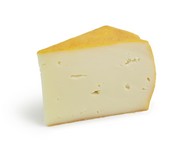
choix à l'aspect : croûte jaune paille à jaune ocré, pâte jaune ivoire parsemée de quelques petits trous.
choix à l'odeur : peu de caractère.
choix au toucher : pâte souple, élastique sans molesse.
choix au goût : saveur lactique prononcée.
Fabrication de l'Abbaye du Mont-des-cats
La fabrication du Mont-des-Cats est entièrement réalisée à la main par les moines du monastère. Pour cela, ils récoltent le lait cru auprès de 25 fermes aux alentours. Les fromages sont placés dans les caves de l'Abbaye qui se caractérisent par leur humidité. L'affinage se déroule sur un mois, période au cours de laquelle, les fromages sont lavés à plusieures reprises dans une solution salée. La croûte de l'Abbaye du Mont-des-Cats est légèrement rousse, cette couleur étant obtenue à l'aide d'un colorant naturel : le rocou ajouté dans la solution salée. La production annuelle s'élève à 220 tonnes et est principalement destinée au Nord-Pas de Calais, ainsi que dans une moindre mesure à la Belgique et à la région parisienne.
 PT
PT IT
IT DE
DE NL
NL SV
SV AR
AR RU
RU HI
HI ZH
ZH JA
JA


 Dégustation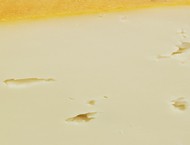
 Vins associés
 Fromages associés